A test task for a product design role. The brief: design the main screens for a mobile identity verification app, the flow a user goes through to confirm their identity before accessing a service. One week was given for this project. There was no existing brand and engineering constraints. The goal was to demonstrate how I approach a product problem from research to screens.
User
Sarah, ICU nurse
Sarah doesn't interact with the product in isolation. She monitors two critically ill patients while moving between bedside care, alarms, colleagues and documentation — across a 12-hour shift, constantly interrupted.
THE CONSTRAINTS
02
patients
Sarah is simultaneously responsible for two patients, each generating a different stream of alerts.
12h
shift
The interface needs to support repeated monitoring and decision-making over a long, demanding shift.
∞
interruptions
Sarah's attention is frequently pulled away by alarms, colleagues and bedside needs.
20m
handover
At the end of the shift, critical patient information must be transferred quickly and reliably.
WHAT THIS MEANT FOR THE PRODUCT
Persistent context
Patient information stays visible at all times. Sarah should never have to navigate back to the top to reorient after an interruption.
Persistent patient header on all detail views
Fast recovery
Every interaction is completable in seconds and resumable after interruption. No action requires sustained attention to complete safely.
Collapsible handover drawer, preserved state
Scannable information
Critical status is encoded visually before text is read. The severity bar, colour, and icon communicate urgency at peripheral vision distance.
3px severity bar, pre-attentive encoding
Structured handover
Handover notes are pre-populated from shift data. Sarah reviews and edits rather than writes from scratch under end-of-shift fatigue.
Notes tab, auto-generated key events
Prototype
The complete verification flow
Prototype is clickable, to reset press "R"
THE CONSTRAINTS
02
patients
Sarah is simultaneously responsible for two patients, each generating a different stream of alerts.
12h
shift
The interface needs to support repeated monitoring and decision-making over a long, demanding shift.
∞
interruptions
Sarah's attention is frequently pulled away by alarms, colleagues and bedside needs.
20m
handover
At the end of the shift, critical patient information must be transferred quickly and reliably.
User
Sarah, ICU nurse
Sarah doesn't interact with the product in isolation. She monitors two critically ill patients while moving between bedside care, alarms, colleagues and documentation — across a 12-hour shift, constantly interrupted.
THE CONSTRAINTS
02
patients
Sarah is simultaneously responsible for two patients, each generating a different stream of alerts.
12h
shift
The interface needs to support repeated monitoring and decision-making over a long, demanding shift.
∞
interruptions
Sarah's attention is frequently pulled away by alarms, colleagues and bedside needs.
20m
handover
At the end of the shift, critical patient information must be transferred quickly and reliably.
WHAT THIS MEANT FOR THE PRODUCT
Persistent context
Patient information stays visible at all times. Sarah should never have to navigate back to the top to reorient after an interruption.
Persistent patient header on all detail views
Fast recovery
Every interaction is completable in seconds and resumable after interruption. No action requires sustained attention to complete safely.
Collapsible handover drawer, preserved state
Scannable information
Critical status is encoded visually before text is read. The severity bar, colour, and icon communicate urgency at peripheral vision distance.
3px severity bar, pre-attentive encoding
Structured handover
Handover notes are pre-populated from shift data. Sarah reviews and edits rather than writes from scratch under end-of-shift fatigue.
Notes tab, auto-generated key events
Research
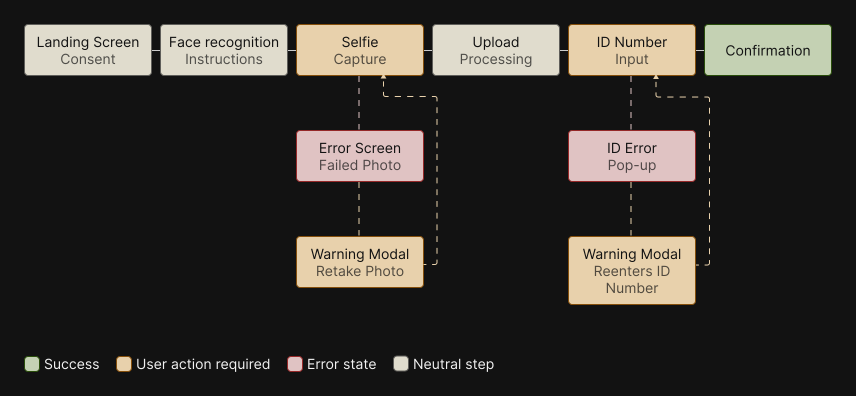
Before designing anything, I audited three competitors, mapped the complete user flow, and built a customer journey map to identify friction points at each stage.
THE CONSTRAINTS
02
patients
Sarah is simultaneously responsible for two patients, each generating a different stream of alerts.
12h
shift
The interface needs to support repeated monitoring and decision-making over a long, demanding shift.
∞
interruptions
Sarah's attention is frequently pulled away by alarms, colleagues and bedside needs.
20m
handover
At the end of the shift, critical patient information must be transferred quickly and reliably.
Users don't know if their photo will be acceptable until after they take it. Dark environment, wrong angle, bad framing all cause failures with no prior warning.
Design response:
Real-time positioning feedback. The frame turns green when positioning is correct. Flashlight toggle available directly on screen.
Stage:
Error recovery
Friction:
Selfie capture
When a photo fails, users don't understand what went wrong or how to fix it. A generic error message creates frustration and abandonment.
Design response:
Dedicated error screen with specific, actionable tips — not a generic "try again." Each failure mode has a clear fix.
Stage:
ID document input
Friction:
Selfie capture
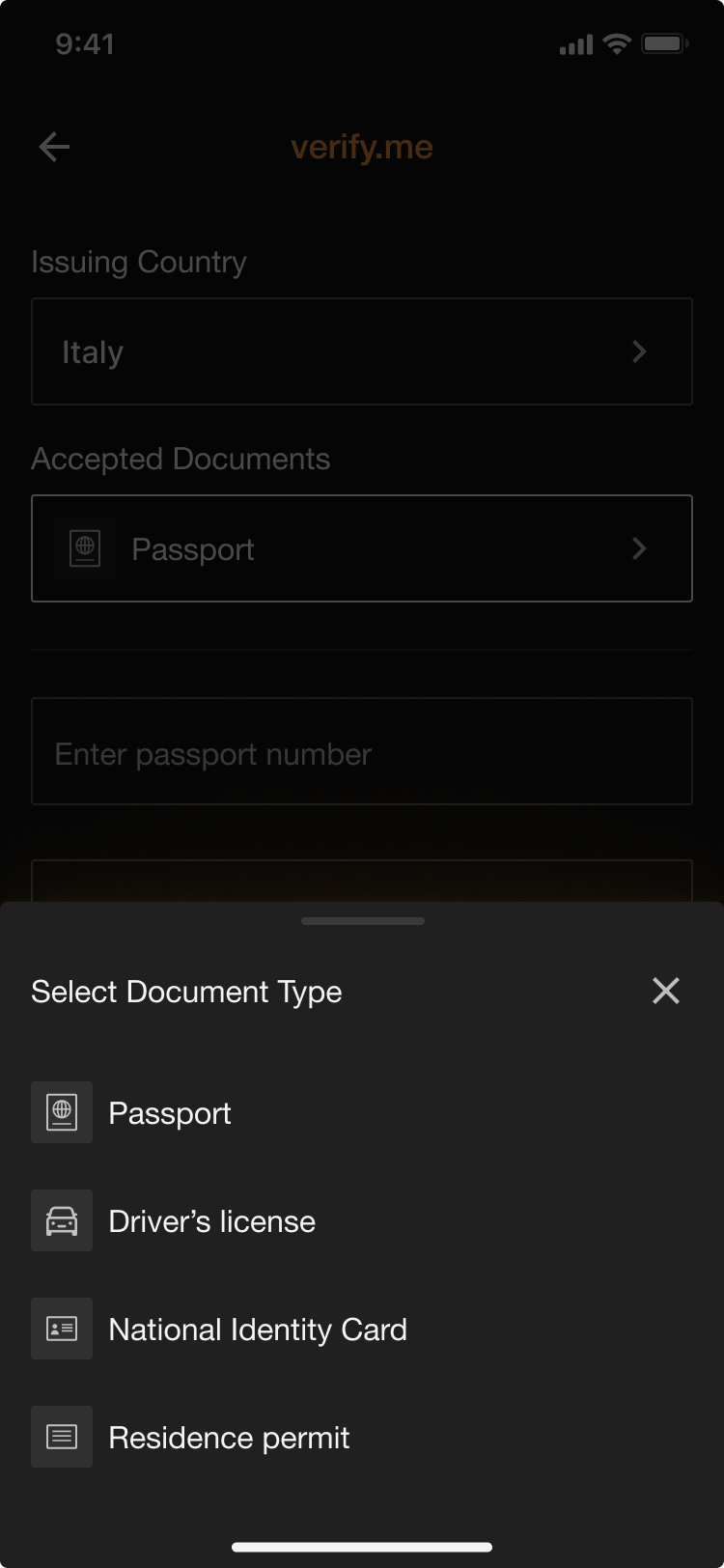
Users may not have the pre-selected document type available. Switching document type traditionally resets all form fields.
Design response:
A bottom sheet lets users switch document type without the form resetting. The fields update to match the selected document without clearing anything already entered.
Sarah doesn't interact with the product in isolation. She monitors two critically ill patients while moving between bedside care, alarms, colleagues and documentation — across a 12-hour shift, constantly interrupted.
THE CONSTRAINTS
02
patients
Sarah is simultaneously responsible for two patients, each generating a different stream of alerts.
12h
shift
The interface needs to support repeated monitoring and decision-making over a long, demanding shift.
∞
interruptions
Sarah's attention is frequently pulled away by alarms, colleagues and bedside needs.
20m
handover
At the end of the shift, critical patient information must be transferred quickly and reliably.
WHAT THIS MEANT FOR THE PRODUCT
Persistent context
Patient information stays visible at all times. Sarah should never have to navigate back to the top to reorient after an interruption.
Persistent patient header on all detail views
Fast recovery
Every interaction is completable in seconds and resumable after interruption. No action requires sustained attention to complete safely.
Collapsible handover drawer, preserved state
Scannable information
Critical status is encoded visually before text is read. The severity bar, colour, and icon communicate urgency at peripheral vision distance.
3px severity bar, pre-attentive encoding
Structured handover
Handover notes are pre-populated from shift data. Sarah reviews and edits rather than writes from scratch under end-of-shift fatigue.
Notes tab, auto-generated key events
Real-time positioning feedback: the frame turns green when the user is correctly positioned, removing uncertainty before the photo is taken.
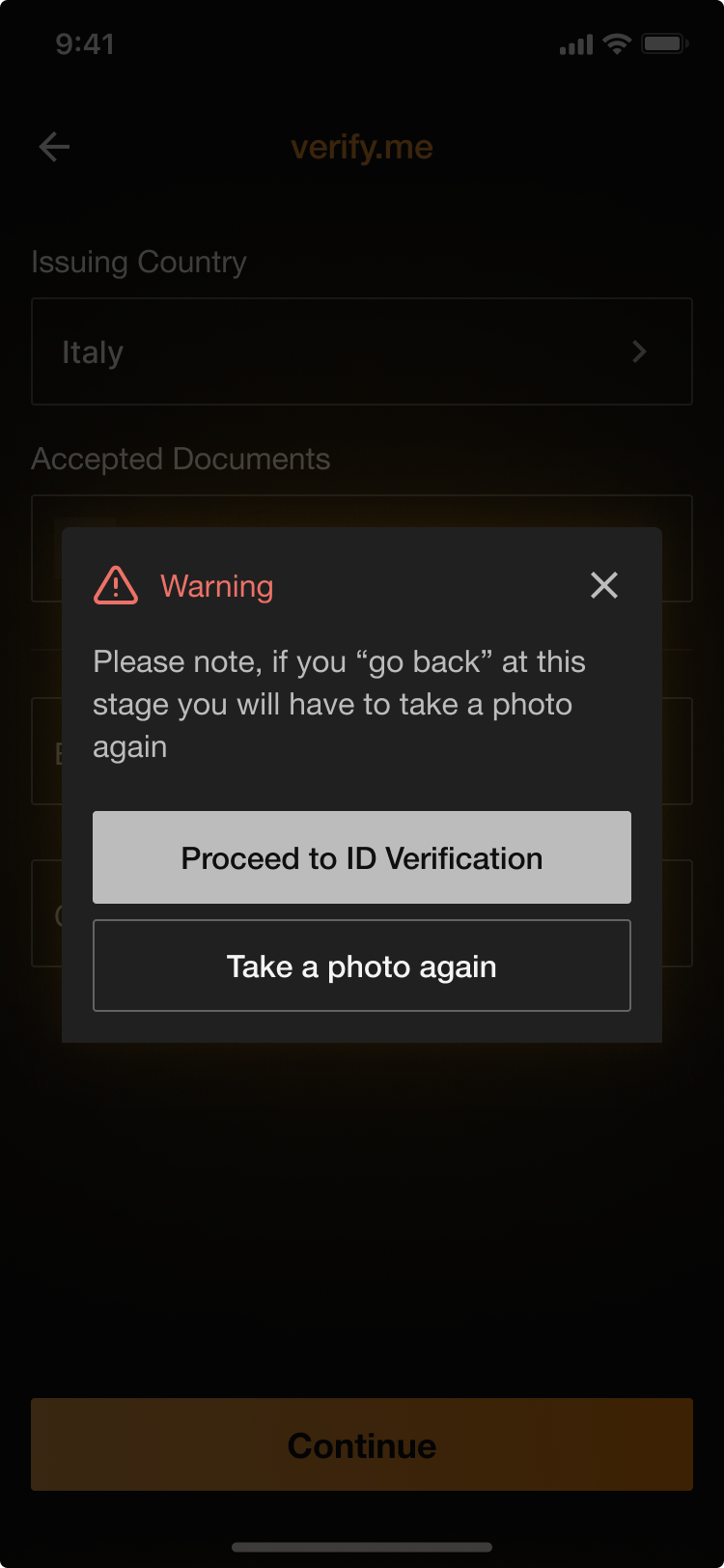
Warning before going back: if the user tries to navigate away, they're informed they'll need to retake the photo.
Dynamic document selection: switching document type updates the form fields without resetting anything already entered.




.png)